The manufacturing world is changing faster than ever—and at the center of this transformation is 3D printing. In 2026, smart factories are no longer just about automation and robots. They are intelligent, data-driven, flexible ecosystems where 3D printing technology plays a critical role in speeding up production, reducing costs, and enabling innovation like never before.
From rapid prototyping to full-scale production, 3D printing in smart manufacturing is reshaping how factories operate, compete, and grow.
What Is a Smart Factory?
A smart factory uses Industry 4.0 technologies such as AI, IoT, robotics, cloud computing, and real-time data analytics to create a self-optimizing production environment. These factories are designed to be agile, efficient, and highly responsive to market demands.
When 3D printing is integrated into smart factories, it unlocks a new level of manufacturing freedom—where ideas move from design to physical products in record time.
Why 3D Printing Is a Game-Changer in 2026
In 2026, manufacturers are under pressure to deliver custom products faster, reduce waste, and manage rising operational costs. Traditional manufacturing methods struggle to keep up. This is where additive manufacturing steps in.
Here’s how 3D printing is transforming smart factories:
1. Faster Prototyping and Product Development
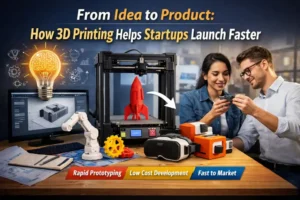
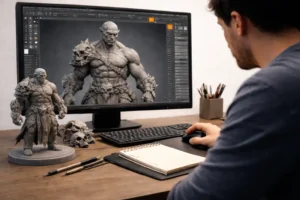
One of the biggest advantages of 3D printing is rapid prototyping. Instead of waiting weeks for molds or tooling, factories can create functional prototypes within hours.
- Faster design validation
- Quick design changes without extra cost
- Reduced time-to-market
Smart factories now use 3D printing machines directly connected to CAD and AI systems, allowing real-time design improvements.
2. On-Demand Manufacturing & Zero Inventory
In 2026, many smart factories are moving toward on-demand 3D printing. Instead of storing thousands of spare parts, companies now store digital files and print parts only when needed.
This approach offers:
- Lower inventory costs
- Reduced storage space
- Minimal supply chain disruptions
3D printing in manufacturing enables digital warehousing, which is especially valuable for automotive, aerospace, and industrial equipment sectors.
3. Customization at Mass Scale
Modern consumers expect personalized products—and smart factories are delivering them using 3D printing technology.
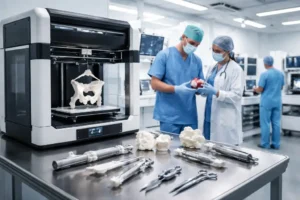
Whether it’s customized machine components, medical devices, or consumer products, mass customization with 3D printing is now scalable and profitable.
Factories can:
- Produce unique designs without retooling
- Modify products instantly
- Serve niche markets efficiently
4. Smarter Tooling and Jigs
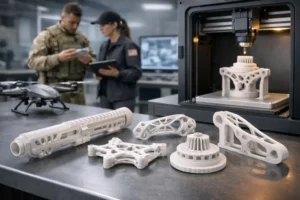
Smart factories use 3D printed tools, jigs, and fixtures to improve operational efficiency. These tools are lighter, ergonomic, and tailored to specific tasks.
Benefits include:
- Faster production setup
- Improved worker safety
- Lower tooling costs
By using industrial 3D printing, factories can design tools optimized through AI and test them instantly.
5. Reduced Material Waste & Sustainable Manufacturing
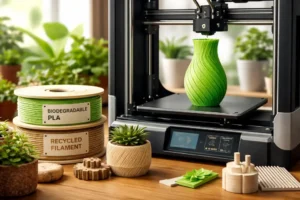
Sustainability is a major focus in 2026. Unlike traditional subtractive methods, 3D printing uses only the material required to build a part.
Smart factories benefit from:
- Lower material waste
- Energy-efficient production
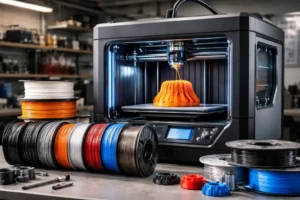
- Use of recycled and eco-friendly filaments
This makes 3D printing in smart factories an environmentally responsible manufacturing choice.
6. Integration with AI, IoT & Automation
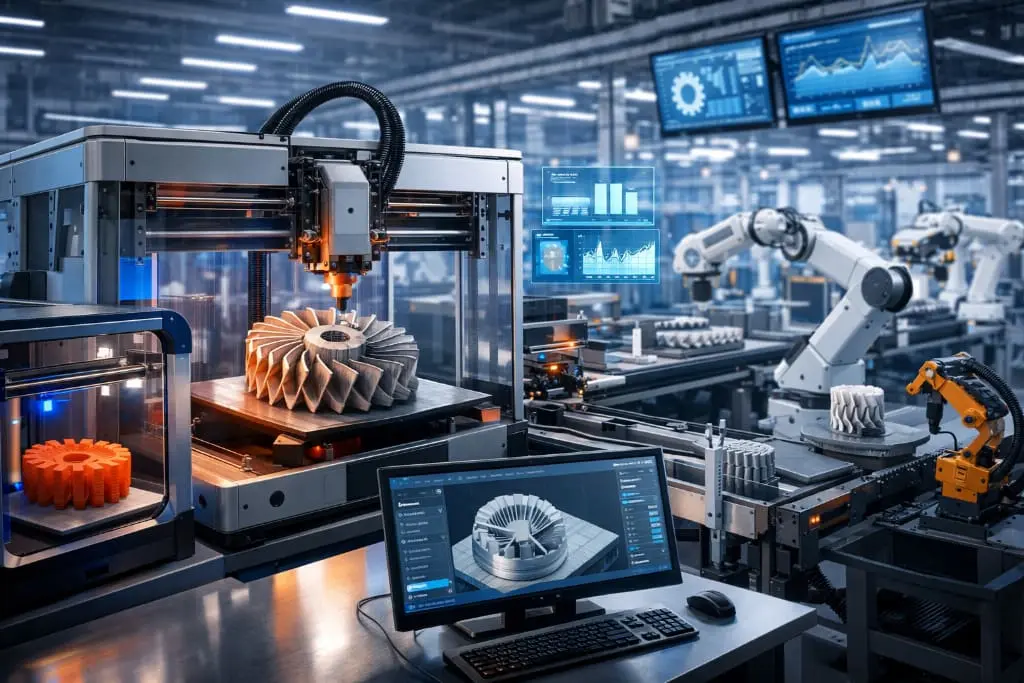
In advanced smart factories, 3D printing machines are connected with AI and IoT systems. Sensors monitor print quality, material usage, and machine health in real time.
This leads to:
- Predictive maintenance
- Automated quality control
- Consistent production accuracy
AI-driven additive manufacturing ensures higher success rates and minimal downtime.
7. Cost-Effective Low-Volume Production
Not every product needs mass production. 3D printing is ideal for low-volume, high-value parts.
Smart factories now use 3D printing services for:
- Spare parts
- Specialized industrial components
- Pilot production runs
This eliminates the need for expensive molds and tooling, saving both time and money.
Industries Leading the Change
In 2026, 3D printing in smart factories is widely adopted across industries:
- Automotive & aerospace
- Healthcare & medical devices
- Electronics & consumer goods
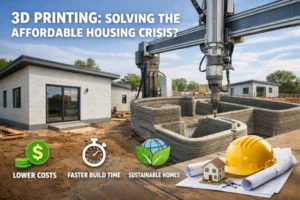
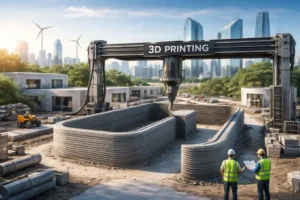
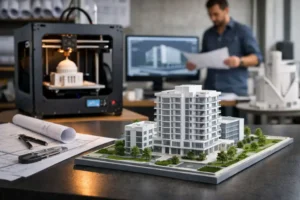
- Construction & industrial manufacturing
The flexibility of 3D printing technology allows factories to adapt quickly to changing market needs.
The Future of Smart Factories with 3D Printing
As smart factories continue to evolve, 3D printing will move beyond support roles and become a core production technology. The combination of automation, AI, and additive manufacturing is creating factories that are faster, smarter, and more resilient.
Businesses that adopt 3D printing in manufacturing today are setting themselves up for long-term success.
Final Thoughts
The transformation of smart factories in 2026 is incomplete without 3D printing. It empowers manufacturers to innovate, customize, and scale efficiently—while staying cost-effective and sustainable.
3dreality welcomes you—we are expert in the 3D printing industry. Contact us to explore advanced 3D printing solutions, industrial machines, and on-demand printing services tailored for modern smart factories.
FAQ’s
1. How is 3D printing used in smart factories?
3D printing is used in smart factories for rapid prototyping, on-demand manufacturing, custom tooling, spare parts production, and low-volume manufacturing with high precision.
2. Why is 3D printing important for Industry 4.0?
3D printing supports Industry 4.0 by enabling digital manufacturing, automation, real-time design changes, reduced material waste, and seamless integration with AI and IoT systems.
3. Can 3D printing reduce manufacturing costs in smart factories?
Yes, 3D printing reduces costs by eliminating molds, lowering inventory needs, minimizing material waste, and enabling on-demand production in smart factories.
4. Which industries benefit most from 3D printing in smart factories?
Industries such as automotive, aerospace, healthcare, electronics, and industrial manufacturing benefit the most from using 3D printing in smart factory environments.
5. Is 3D printing suitable for large-scale manufacturing in 2026?
In 2026, 3D printing is suitable for low to medium-volume production, mass customization, and specialized components, making it an essential part of smart factory manufacturing.